
Polyacrylamide Friction Reducer Guides
Explore 28 friction-reducer guides covering product specifications, pricing, brine and additive compatibility, flow-loop evidence, trial acceptance and supply.
- WATER
- actual analysis
- FLOW
- matched condition
- ΔP
- complete trace
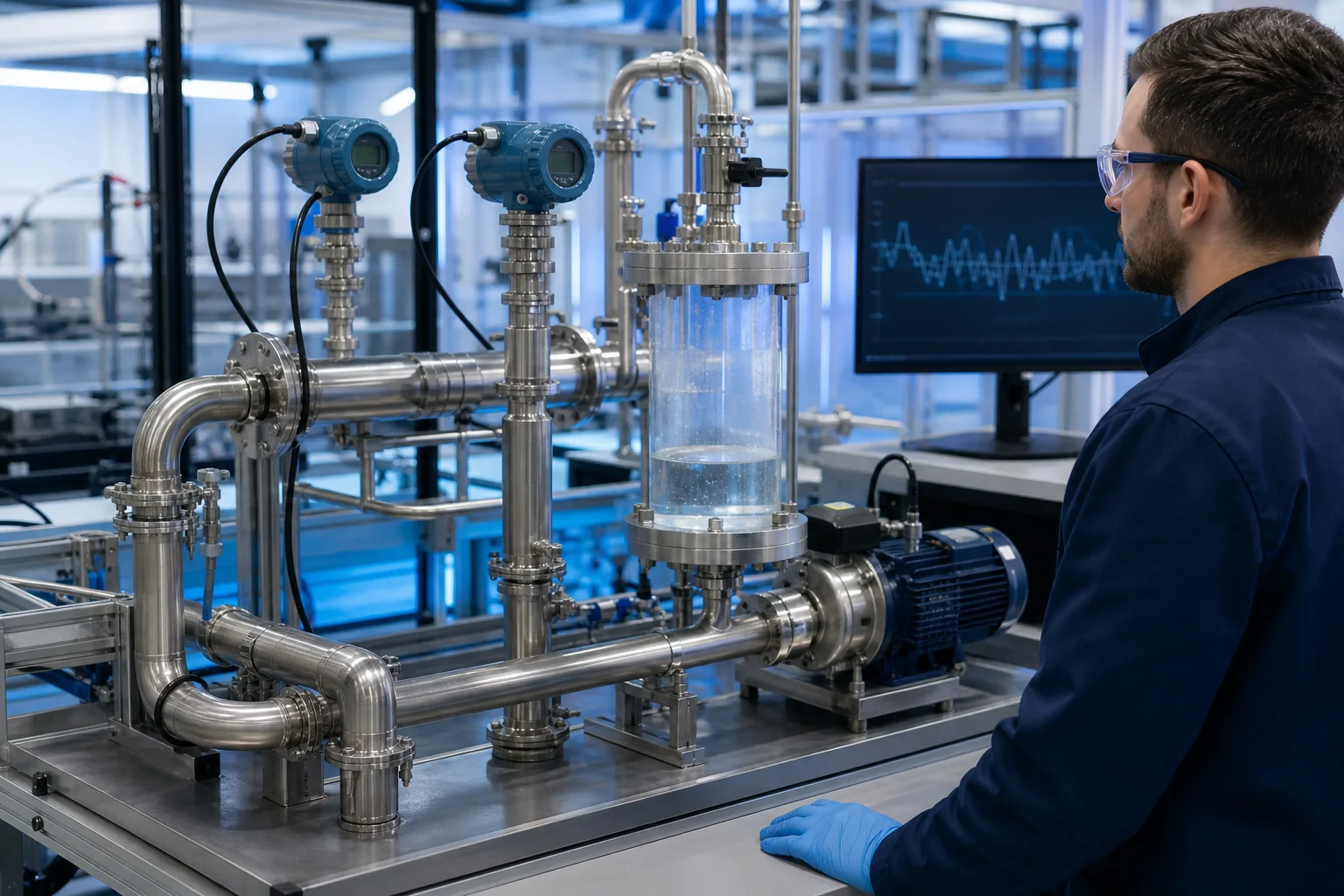
Move from water and hydraulics to a testable polymer decision.
Each file addresses one product, pumping, verification or purchasing task.
Technical foundations
How to Select a Polyacrylamide Friction Reducer
Choose polyacrylamide friction reducer by water chemistry, product form, hydration, flow-loop pressure response, field equipment and supply identity.
Read the guide →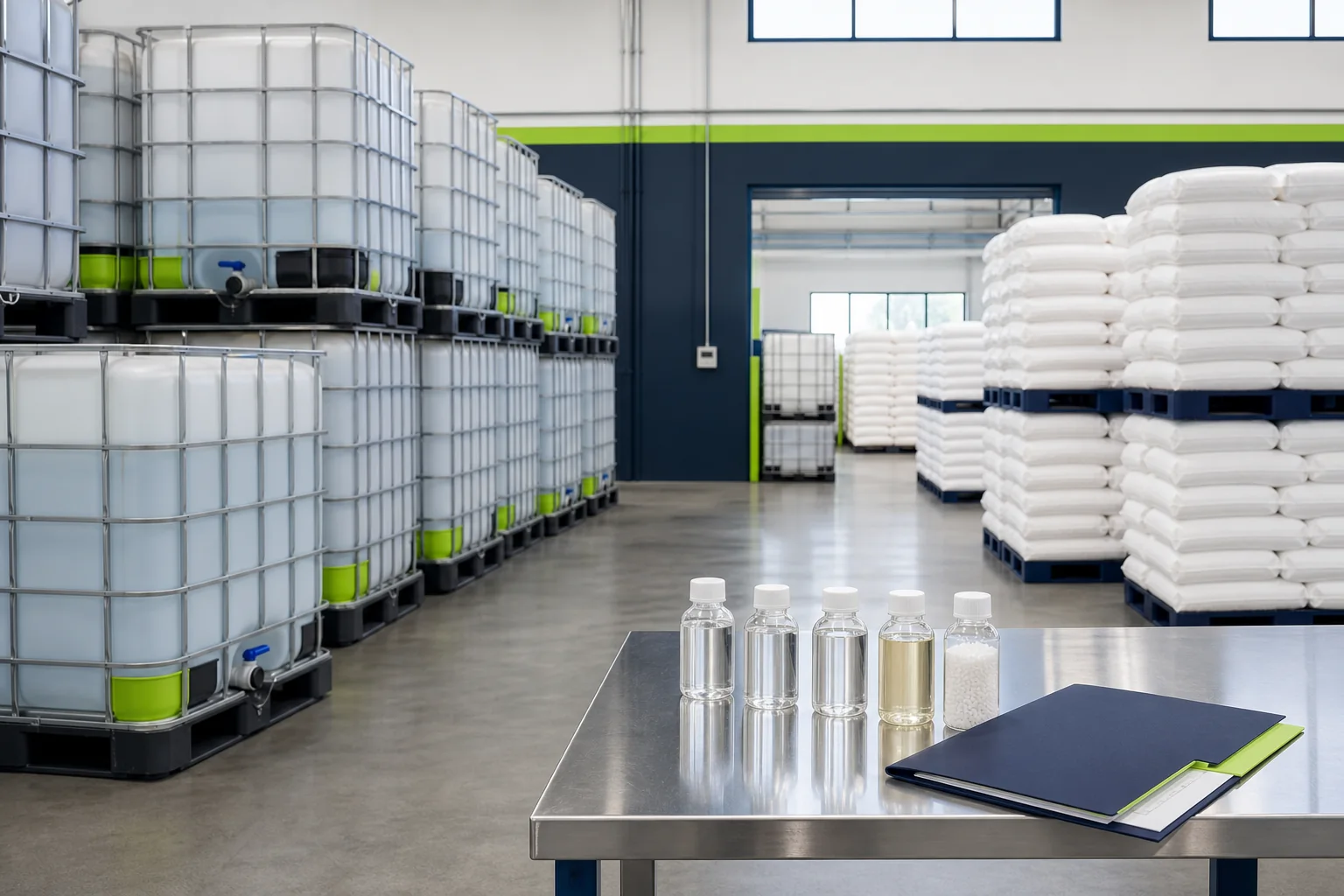
Emulsion vs Dry Polyacrylamide Friction Reducer
Compare emulsion and dry friction reducer by active content, hydration speed, brine response, field equipment, storage and delivered pressure performance.
Read the guide →How to Run a Friction Reducer Flow-Loop Test
Run a defensible friction-reducer flow-loop test with controlled water, pipe geometry, flow condition, differential pressure, timing and calculation.
Read the guide →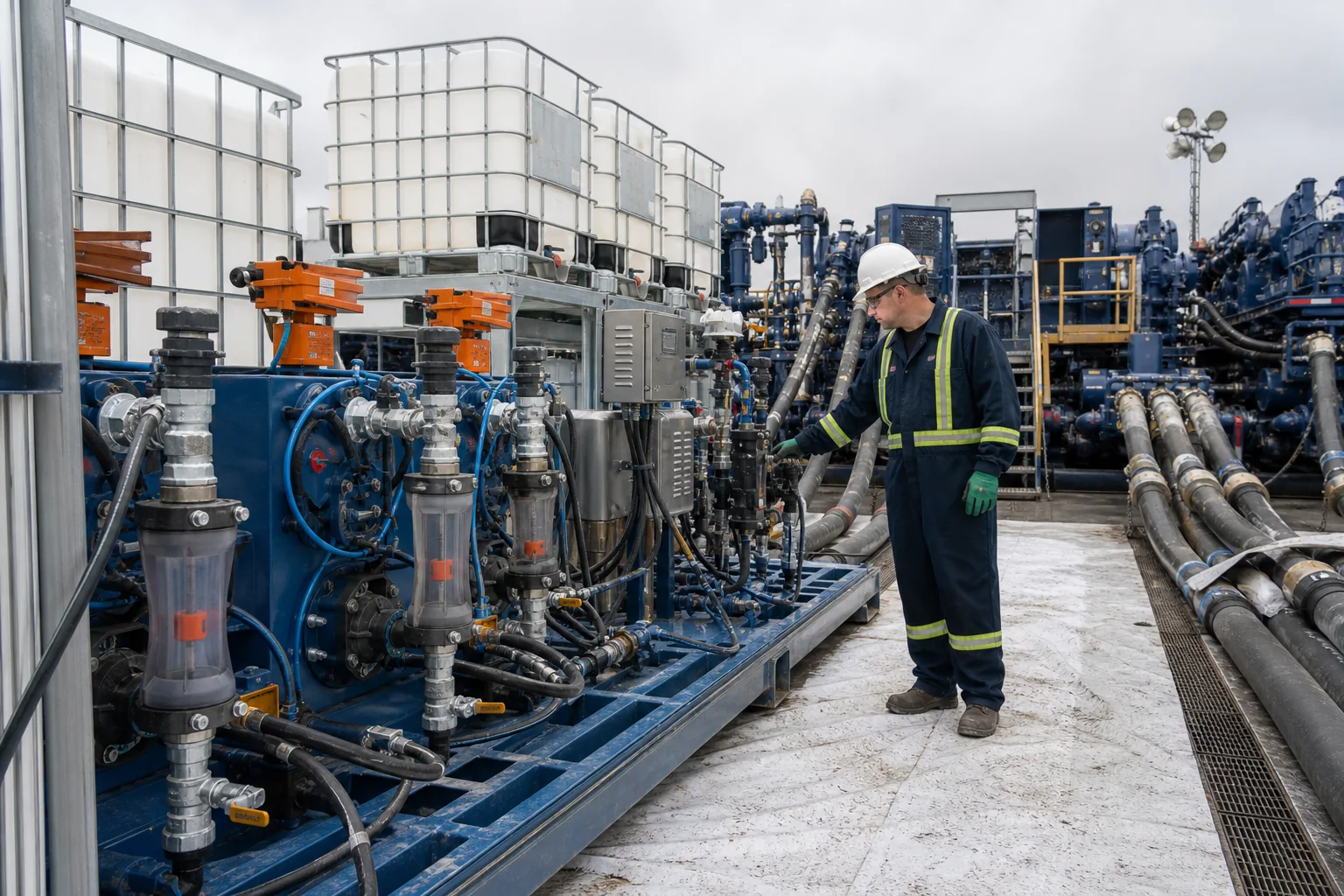
Friction Reducer Hydration Time and Response Speed
Measure polyacrylamide friction-reducer hydration by early pressure response, water chemistry, temperature, mixing, product form and field residence time.
Read the guide →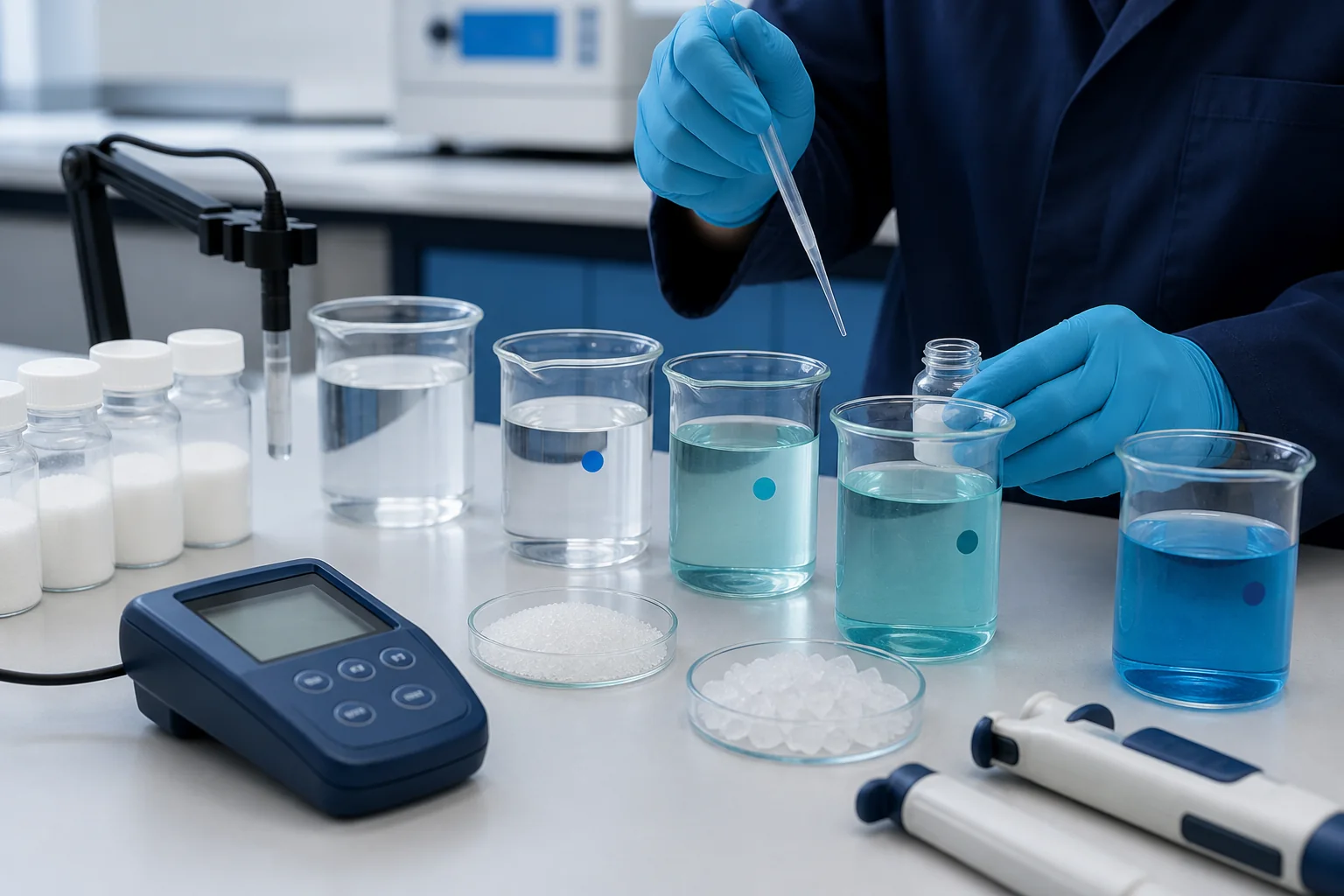
Polyacrylamide Friction Reducer Brine Compatibility
Test polyacrylamide friction reducer in fresh water, produced-water blends and high-TDS brines using ion analysis, hydration and flow-loop evidence.
Read the guide →Polyacrylamide Friction Reducer Shear Degradation
Diagnose friction-reducer performance loss across pumps, valves and restrictions using paired pressure tests, preparation controls and representative shear.
Read the guide →Friction Reducer Troubleshooting Guide
Troubleshoot weak or unstable friction reduction through water, product identity, dosing, hydration, instruments, shear and additive compatibility checks.
Read the guide →Polyacrylamide Friction Reducer Supplier RFQ
Prepare a friction-reducer RFQ with water analysis, product form, flow-loop method, response time, field equipment, quantity, packaging and destination.
Read the guide →Cost and supplier approval
Polyacrylamide Friction Reducer Price: Cost per Treated Water Volume
Compare friction-reducer quotations using delivered price, active polymer, verified dose and treated-water volume rather than price per kilogram alone.
Read the guide →How to Qualify a Polyacrylamide Friction Reducer Manufacturer
Assess friction-reducer manufacturers through sample traceability, hydraulic evidence, formulation control, product documents and repeat-supply capability.
Read the guide →Bulk Friction Reducer Supply: Trial-to-Contract Purchase Checklist
Structure a bulk friction-reducer purchase around approved grade identity, water limits, call-off volumes, change control and receiving acceptance.
Read the guide →Friction Reducer COA and SDS: Documents to Request Before Purchase
Check friction-reducer COA, SDS, product identity, preparation guidance and shipment documents without confusing analytical release with field approval.
Read the guide →Product specification
Emulsion Friction Reducer Purchase Specification for Slickwater
Specify emulsion friction reducer by polymer activity, density, inversion conditions, pressure response, carrier compatibility and metering requirements.
Read the guide →Buying Dry Polyacrylamide Friction Reducer Powder in Bulk
Evaluate dry friction-reducer powder using wetting capacity, hydration residence, feeder accuracy, residue checks, packaging and delivered operating cost.
Read the guide →Friction Reducer Active Content and COA Specifications for Purchasing
Distinguish active polymer, total solids, density and viscosity when specifying friction-reducer quality and comparing emulsion or powder quotations.
Read the guide →Friction Reducer Dosage Units: GPT, ppm and Active-Polymer Cost
Convert friction-reducer product volume to active-polymer concentration with explicit gallon units, density and activity, without treating examples as dosage advice.
Read the guide →Water and formulation fit
High-Salinity Friction Reducer Quote: Water Data Buyers Need
Request a high-salinity friction-reducer quote with ion analysis, blend limits, response-time criteria and bounded hydraulic acceptance evidence.
Read the guide →Produced-Water Friction Reducer Samples: Build a Meaningful Test Panel
Choose friction-reducer samples for produced-water reuse using representative blends, sample custody, matched baselines and defined hydraulic release gates.
Read the guide →HVFR vs Standard Friction Reducer: What Should Buyers Specify?
Separate friction-pressure reduction from high-viscosity and proppant-transport requirements when comparing standard FR and HVFR supply offers.
Read the guide →Anionic vs Cationic Friction Reducer: Buying by Water and Additives
Evaluate ionic friction-reducer proposals against water chemistry, additive compatibility and timed pressure response rather than the ionic label alone.
Read the guide →Cold-Water Friction Reducer Selection: Buying for Fast Response
Specify friction reducer for cold-water service using measured water temperature, available hydration time, metering behaviour and early pressure response.
Read the guide →Friction Reducer and Breaker Compatibility for Purchasing
Define breaker compatibility for friction-reducer purchasing through treatment sequence, pressure performance, cleanup objectives and qualified fluid-design review.
Read the guide →Buying Friction Reducer for Biocide and Scale-Inhibitor Programs
Assess friction-reducer compatibility with the planned additive program using commercial product identities, addition order, controlled observations and loop data.
Read the guide →Trial and delivery control

Friction Reducer Field Trial Acceptance Before a Bulk Order
Define a friction-reducer trial with stable-rate comparisons, calibrated consumption, full pressure records, stop conditions and documented purchasing release.
Read the guide →Friction Reducer Packaging: IBC, Tote and Dry-Bag Buying Checklist
Match friction-reducer packaging to unloading, metering, lot segregation and storage before ordering emulsion totes or dry-polymer bags.
Read the guide →Friction Reducer Shelf Life and Storage: Plan Stock Before Buying
Plan friction-reducer inventory using grade-specific storage guidance, unopened and prepared-solution distinctions, excursion review and realistic demand.
Read the guide →Friction Reducer Batch Qualification for Repeat Supply
Link friction-reducer sample approval to incoming lots using identity checks, retained reference material, repeatable preparation and matched pressure-response tests.
Read the guide →Friction Reducer Export Quote and Landed-Cost Checklist
Compare friction-reducer export offers using a named delivery place, matching product basis, packaging, shipment documents and destination cost responsibilities.
Read the guide →